
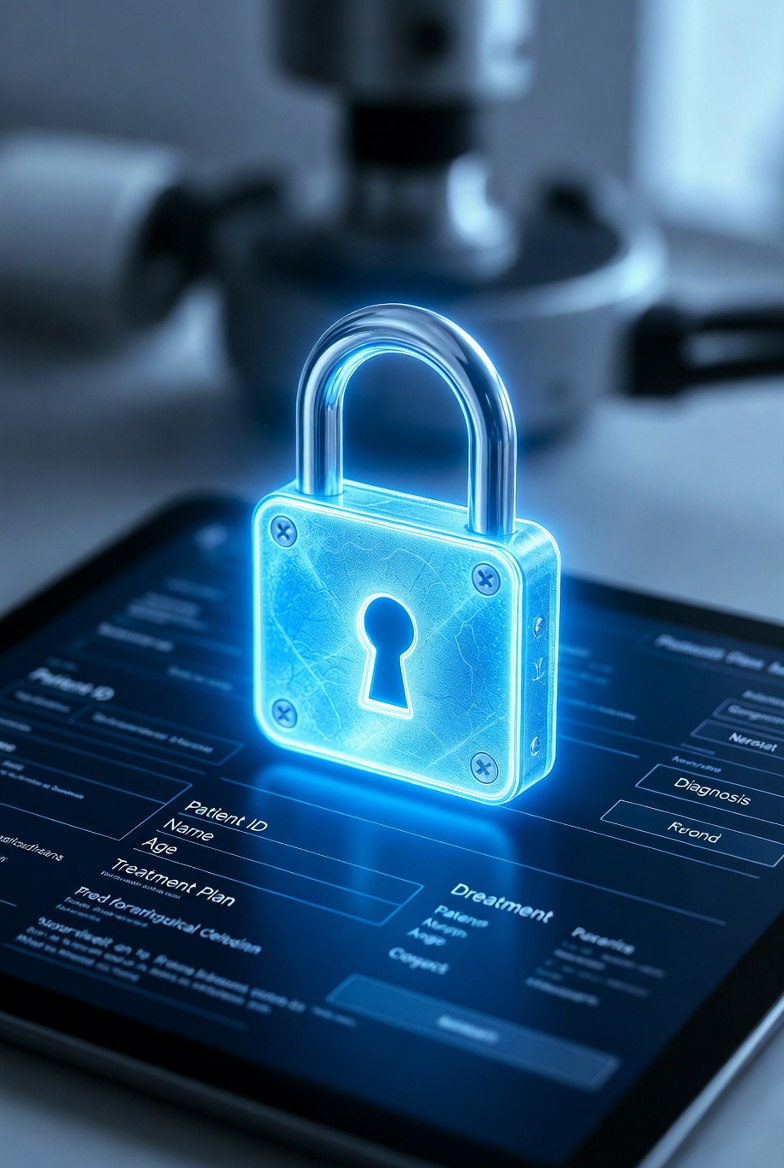
HIPAA in the Telehealth Era
The Health Insurance Portability and Accountability Act (HIPAA) was enacted in 1996 — long before telehealth became mainstream. Yet its core principles of protecting patient health information remain fully applicable to digital healthcare delivery. For telehealth providers, understanding and implementing HIPAA compliance is not optional — it is a legal requirement with penalties that can reach $2.1 million per violation category per year.
The good news: HIPAA compliance for telehealth is achievable and manageable when you understand the key requirements and select the right technology partners.
The Three HIPAA Rules That Matter
1. The Privacy Rule
The Privacy Rule establishes who can access Protected Health Information (PHI) and under what circumstances. For telehealth providers, key requirements include:
- Minimum Necessary Standard: Only access, use, or disclose the minimum PHI needed for a specific purpose. Your intake forms should collect only clinically relevant information.
- Patient Rights: Patients can request access to their records, request amendments, and receive an accounting of disclosures. Your platform must support these requests.
- Notice of Privacy Practices (NPP): You must provide patients with a clear description of how their PHI is used before the first treatment.
2. The Security Rule
The Security Rule requires administrative, physical, and technical safeguards to protect electronic PHI (ePHI):
Administrative Safeguards:
- Designated security officer (can be you if you are a solo practitioner)
- Workforce training on PHI handling
- Incident response procedures
- Regular risk assessments (at least annually)
Technical Safeguards:
- Access controls (unique user IDs, automatic logoff, encryption)
- Audit controls (logging who accessed what PHI and when)
- Integrity controls (mechanisms to prevent unauthorized alteration of ePHI)
- Transmission security (encryption for data in transit — TLS 1.2 minimum)
Physical Safeguards:
- Workstation security (lock screens, secure locations)
- Device and media controls (encryption of laptops, secure disposal of old devices)
3. The Breach Notification Rule
If a breach of unsecured PHI occurs, you must:
- Notify affected individuals within 60 days
- Notify HHS (if fewer than 500 individuals, you can report annually; 500 or more requires notification within 60 days)
- Notify media if more than 500 residents of a single state are affected
- Document the breach and your response
Business Associate Agreements (BAAs)
This is where many telehealth providers stumble. A BAA is a legally binding contract required between a covered entity (you, the provider) and any business associate that handles PHI on your behalf.
Who Needs a BAA?
Every vendor that touches patient data:
- Your telehealth platform (e.g., SendMyDrugs — we execute a BAA at signup)
- Payment processors (Stripe provides a BAA for healthcare customers)
- Email providers (if you email patients — standard Gmail is NOT HIPAA-compliant)
- Cloud storage (AWS, Google Cloud, Azure — all offer BAA-eligible configurations)
- Analytics tools (most standard analytics tools are NOT compliant without modification)
What a BAA Must Include
- How the business associate will safeguard PHI
- Required reporting of security incidents and breaches
- Restrictions on PHI use and disclosure
- Requirements for returning or destroying PHI at contract termination
- Obligation to make PHI available to satisfy patient access requests
Critical warning: Using a service without a BAA — even if that service is technically secure — is itself a HIPAA violation.
Encryption Requirements
HIPAA does not mandate specific encryption standards, but the HHS guidance strongly recommends:
- Data at rest: AES-256 encryption for stored ePHI (databases, file storage, backups)
- Data in transit: TLS 1.2 or higher for all data transmitted over networks
- End-to-end encryption: For video consultations and messaging
If you use an "addressable" encryption alternative (HIPAA distinguishes between "required" and "addressable" specifications), you must document why the alternative is equally effective. In practice, encryption is always the right choice.
Audit Trails: Your Best Defense
Comprehensive audit logging is both a HIPAA requirement and your strongest defense in the event of an investigation. Your systems should log:
- Every access to patient records (who, when, what record)
- Prescription actions (created, modified, canceled)
- Login events (successful and failed attempts)
- Data exports or downloads
- Configuration changes to security settings
Retain audit logs for a minimum of 6 years (HIPAA's documentation retention requirement). SendMyDrugs maintains immutable audit logs for all platform actions automatically.
Common Telehealth HIPAA Pitfalls
- Using personal email for patient communication: Use a HIPAA-compliant messaging system with encryption and access controls.
- Storing patient data on personal devices: All ePHI should reside in encrypted, access-controlled systems — not in personal phone notes or desktop spreadsheets.
- Forgetting about verbal disclosures: Working from home or a coffee shop? Ensure patient conversations cannot be overheard.
- Ignoring mobile device security: Require passcodes, enable remote wipe, and use containerized apps for any device that accesses ePHI.
- Missing BAAs with "free" tools: Free tiers of common SaaS products rarely include BAAs. Verify before using.
How SendMyDrugs Handles HIPAA for You
When you operate on the SendMyDrugs platform, the following compliance infrastructure is built in:
- BAA executed at provider onboarding
- AES-256 encryption at rest, TLS 1.3 in transit
- Role-based access controls with session timeout
- Immutable audit trails for all patient data access
- Automated breach detection and notification workflows
- SOC 2 Type II compliant infrastructure
- Regular third-party penetration testing
This does not eliminate your responsibilities as a covered entity, but it dramatically reduces the compliance surface you need to manage independently.