
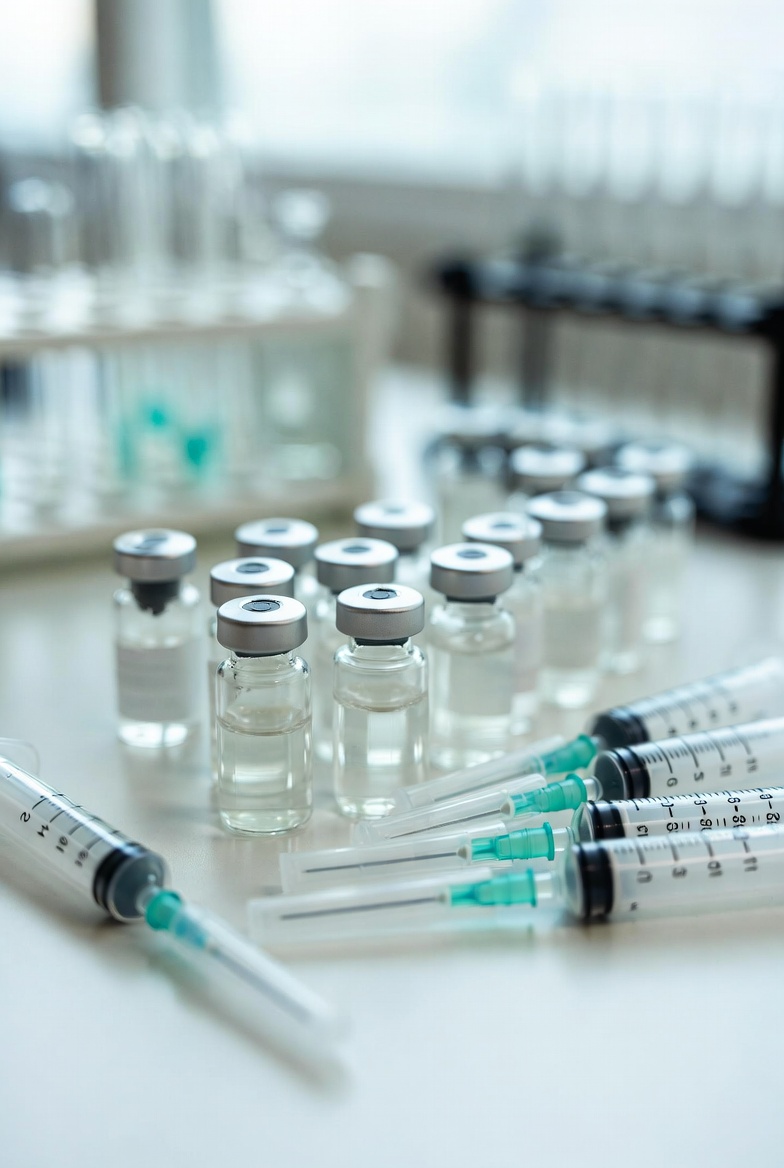
The Rise of Peptide Therapy
Peptide therapeutics represent one of the fastest-growing segments of integrative and regenerative medicine. These short chains of amino acids — typically 2 to 50 residues — act as highly specific signaling molecules, influencing everything from tissue repair to hormone regulation to immune modulation.
For telehealth providers, peptide therapy offers a compelling treatment modality: strong patient demand, meaningful clinical outcomes, and recurring revenue potential. However, the rapidly evolving regulatory landscape and the gap between preclinical evidence and clinical validation require providers to approach this space with both enthusiasm and rigor.
BPC-157: The Flagship Peptide
Body Protection Compound-157 (BPC-157) is a synthetic pentadecapeptide derived from a protective protein found in human gastric juice. It has become the most widely discussed peptide in functional medicine, primarily for its reported tissue-healing properties.
Mechanism of Action
BPC-157 appears to work through multiple pathways:
- Angiogenesis: Promotes formation of new blood vessels in damaged tissue, accelerating repair
- Nitric oxide modulation: Interacts with the NO system to regulate blood flow and inflammation
- Growth factor upregulation: Increases expression of growth hormone receptor and VEGF in injured tissue
- Tendon and ligament healing: Enhances fibroblast proliferation and collagen organization
- Gut-brain axis: Demonstrates gastroprotective effects and potential neuroprotective properties
Evidence Base
The honest assessment: BPC-157 has extensive preclinical evidence (more than 100 animal studies) demonstrating efficacy for tendon healing, muscle injury, bone fracture repair, inflammatory bowel conditions, and neuroprotection. However, large-scale, randomized human clinical trials are limited.
Key preclinical findings include:
- Accelerated healing of transected Achilles tendons in rats by 72% compared to controls
- Improved healing of muscle crush injuries with faster return to function
- Gastroprotective effects against NSAID-induced ulcers
- Neuroprotective effects in models of traumatic brain injury
Providers should be transparent with patients about the strength of evidence: promising, well-supported by animal data, but not yet validated by Phase III human trials.
Dosing Protocols
Common BPC-157 protocols (based on clinical practice patterns — individual provider judgment applies):
- Subcutaneous injection: 250-500 mcg once or twice daily, injected near the injury site
- Oral administration: 500-1000 mcg daily (lower bioavailability but suitable for GI indications)
- Cycle duration: Typically 4-8 weeks, with reassessment before continuing
Sermorelin: Growth Hormone Optimization
Sermorelin is a synthetic analog of growth hormone-releasing hormone (GHRH) — the first 29 amino acids of the 44-amino acid GHRH molecule. Unlike exogenous growth hormone, sermorelin stimulates the pituitary to produce its own GH, maintaining the body's natural feedback mechanisms.
Clinical Applications
- Age-related GH decline: Adults over 30 experience 14% GH decline per decade. Sermorelin restores youthful GH pulsatility without the risks of supraphysiological replacement.
- Body composition: Clinical studies show improved lean body mass, reduced visceral fat, and enhanced exercise capacity.
- Sleep quality: GH is primarily released during deep sleep. Sermorelin improves sleep architecture, creating a positive feedback loop.
- Recovery: Athletes and physically active patients report faster recovery from training and injury.
Dosing
- Standard dose: 200-300 mcg subcutaneously at bedtime (timing matters — aligns with natural GH secretion)
- Assessment: IGF-1 levels at baseline and 8-12 weeks
- Cycle: 3-6 months on, 1 month off (prevents receptor desensitization)
Other Therapeutic Peptides
CJC-1295 / Ipamorelin
Often used in combination, CJC-1295 (a GHRH analog) paired with ipamorelin (a ghrelin mimetic) provides potent GH stimulation through two complementary pathways. This "stack" is popular for anti-aging and body composition goals.
Thymosin Beta-4 (TB-500)
A 43-amino acid peptide involved in tissue repair, cell migration, and anti-inflammatory signaling. Commonly used alongside BPC-157 for musculoskeletal injuries. Evidence base is similar to BPC-157: strong preclinical data, limited formal human trials.
PT-141 (Bremelanotide)
FDA-approved (as Vyleesi) for hypoactive sexual desire disorder in premenopausal women. Acts on melanocortin receptors in the central nervous system rather than the vascular system, distinguishing it from PDE5 inhibitors.
Patient Screening and Safety
Pre-Treatment Assessment
Before initiating peptide therapy, providers should:
- Complete medical history: Focus on cancer history (peptides that stimulate growth factors may be contraindicated in patients with active malignancies)
- Lab work: CBC, CMP, hormone panel (testosterone, estrogen, IGF-1, thyroid), inflammatory markers (CRP, ESR)
- Contraindications review: Active cancer, pregnancy, uncontrolled autoimmune conditions
- Expectations setting: Discuss evidence quality honestly, set realistic timelines (most peptides require 4-8 weeks for noticeable effects)
Monitoring
- Follow-up labs at 8-12 weeks
- Injection site assessment (watch for sterile abscesses)
- Patient-reported outcome measures (pain scales, quality of life questionnaires)
- Adjust dosing based on response and tolerance
Integrating Peptide Therapy into Your Practice
For providers adding peptide therapy to a telehealth storefront:
- Education first: Complete continuing education in peptide therapeutics. Several organizations offer accredited courses.
- Curated catalog: Start with 2-3 well-evidenced peptides rather than offering everything. Quality over breadth builds patient trust.
- Pharmacy sourcing: Use only 503A or 503B compounding pharmacies with current inspection records. SendMyDrugs partners exclusively with verified, inspected compounding facilities.
- Documentation: Thorough intake questionnaires, informed consent covering off-label use, and detailed treatment notes protect both patients and providers.
- Follow-up protocols: Peptide therapy requires monitoring. Build follow-up appointments into your treatment protocols.
The peptide therapy space offers genuine clinical value for the right patients. Providers who approach it with scientific rigor, transparent communication, and proper infrastructure will build sustainable, trust-based practices.